
Dr. Zabiibaa Roobaa
An Oromo medical professional, writer, editor, psychology practitioner, and multidisciplinary intellectual whose journey connects scientific education, Afaan Oromo literature, cultural identity, international experience, and a continuing commitment to community service.
Medicine
Cardiovascular Medicine
Psychology
Afaan Oromo Literature
Writing & Editing
Born in Dodola in West Arsi, Oromia, Dr. Zabiibaa Roobaa built an educational and professional journey extending beyond Ethiopia to Australia and the United States. Along the way, she developed interests spanning medicine, psychology, information technology, literature, poetry, editing, and cultural work.
Her professional path is closely connected with medicine. Alongside her medical education, she has pursued further development in cardiovascular medicine and has also studied psychology. Her intellectual life, however, extends well beyond clinical science. She is the author of ten published books and has edited more than ten works by other writers. Her writing has become part of contemporary Afaan Oromo literary life.
Her story also returns repeatedly to Dodola. Beyond remembering it as her birthplace, she has connected her professional ambitions to a major health and education initiative intended to serve the community. The project has been developed around a 5.8-hectare site and has included plans for a hospital and health-education institution.
Profile at a Glance
Contents
2. Education Across Continents
3. Medicine and Cardiovascular Focus
4. Psychology and Human Wellbeing
7. Editor and Literary Contributor
8. Afaan Oromo and Cultural Identity
Dr. Zabiibaa Roobaa was born in Dodola, West Arsi Zone of Oromia, Ethiopia. Dodola forms the geographical beginning of her life and remains an important part of her professional and cultural story.
Her childhood exposed her to different parts of Oromia through her family, while her father’s work as a teacher became an important influence on her education and literary development. The stories, historical discussions, and reading culture within her family helped nurture an early interest in language and writing.
That connection would later become visible in the subjects of her books. Oromo society, personal experience, history, culture, relationships, and social life became recurring elements in her literary work.
Education transformed Zabiibaa’s life into an international journey. After beginning her schooling in Ethiopia, she continued important stages of her education in Australia before later moving to the United States for further study and professional work.
Her academic interests developed across several disciplines. They included information technology, medicine, psychology, and later advanced study related to cardiovascular medicine.
This broad educational path became one of the foundations of her multidisciplinary identity. Technology introduced one form of structured problem-solving; medicine brought scientific and clinical knowledge; psychology expanded attention toward behavior, emotion, and mental wellbeing; literature gave her another language for understanding human experience.
Medicine became one of the central pillars of Dr. Zabiibaa Roobaa’s professional life. She completed medical education and has continued her professional development with particular attention to cardiovascular medicine.
Cardiovascular medicine addresses the heart and circulatory system and stands among the most consequential fields in global health. High blood pressure, diabetes, tobacco exposure, physical inactivity, nutrition, genetics, age, and access to health services all influence cardiovascular disease.
Her medical interests also became connected with her writing. In works such as Dambalii, health themes are woven into narrative, allowing medical knowledge to enter a literary space rather than remaining limited to the clinic.
Psychology forms another dimension of Zabiibaa’s professional development. Her work in this area reflects an interest in human wellbeing that reaches beyond biological disease alone.
Physical health and psychological wellbeing constantly interact. Illness can influence emotion, behavior, relationships, work, family life, and self-understanding. In the opposite direction, stress, behavior, social conditions, and mental wellbeing can influence how people experience illness and engage with health care.
Medicine and psychology therefore provide two complementary perspectives on the same person: one examining the body and disease, the other helping to understand thought, emotion, behavior, and adaptation.
Zabiibaa’s literary journey began long before her professional medical career. Reading, storytelling, Oromo language, family history, and personal experience shaped an interest in writing from an early age.
She developed a disciplined writing practice, setting regular goals for herself and continuing to write alongside education and professional work. Over time, that discipline produced ten published books spanning fiction, history, social themes, and health-related storytelling.
Her books draw heavily from real life, community experience, Oromo society, and historical memory. Rather than treating literature as an escape from reality, much of her work uses narrative to return readers to the realities of people, places, relationships, identity, and social change.
Her published catalogue spans historical writing, long and short fiction, social themes, relationships, cultural memory, and health. The gallery below is designed so that each book cover can be inserted without changing the structure or visual balance of the page.
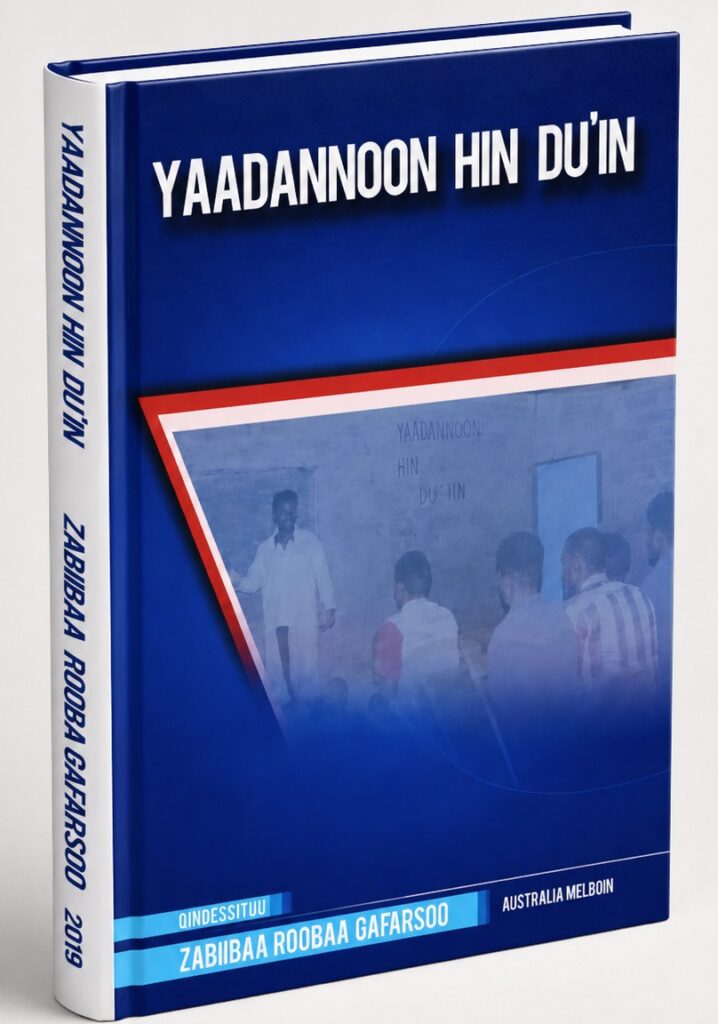
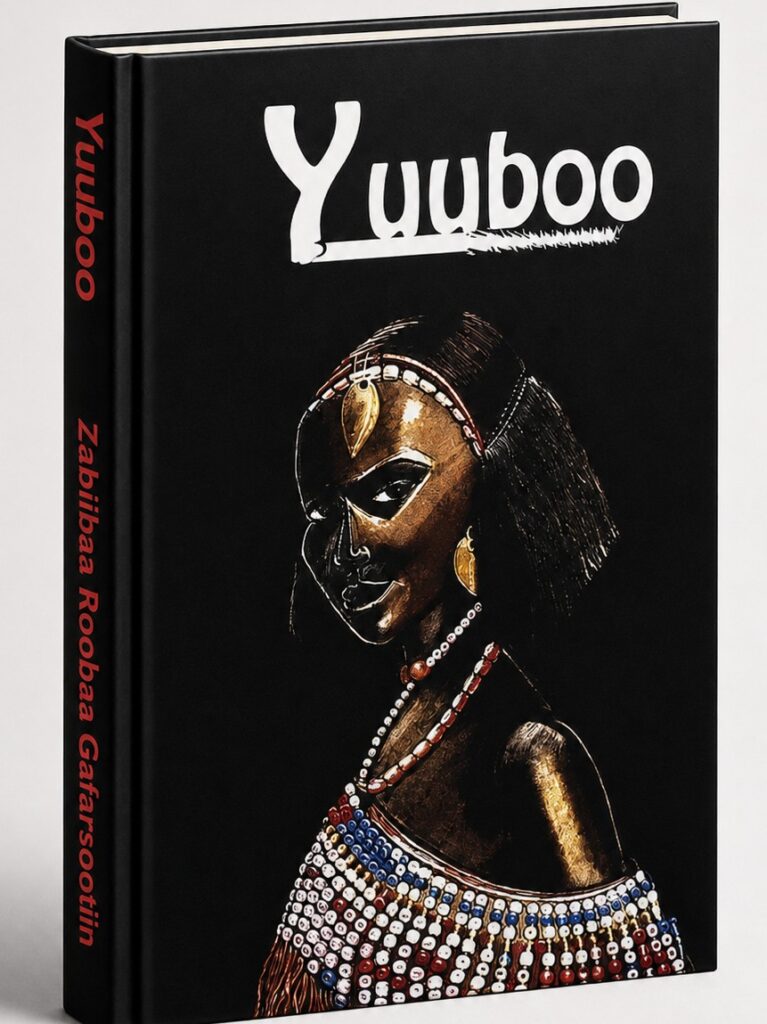
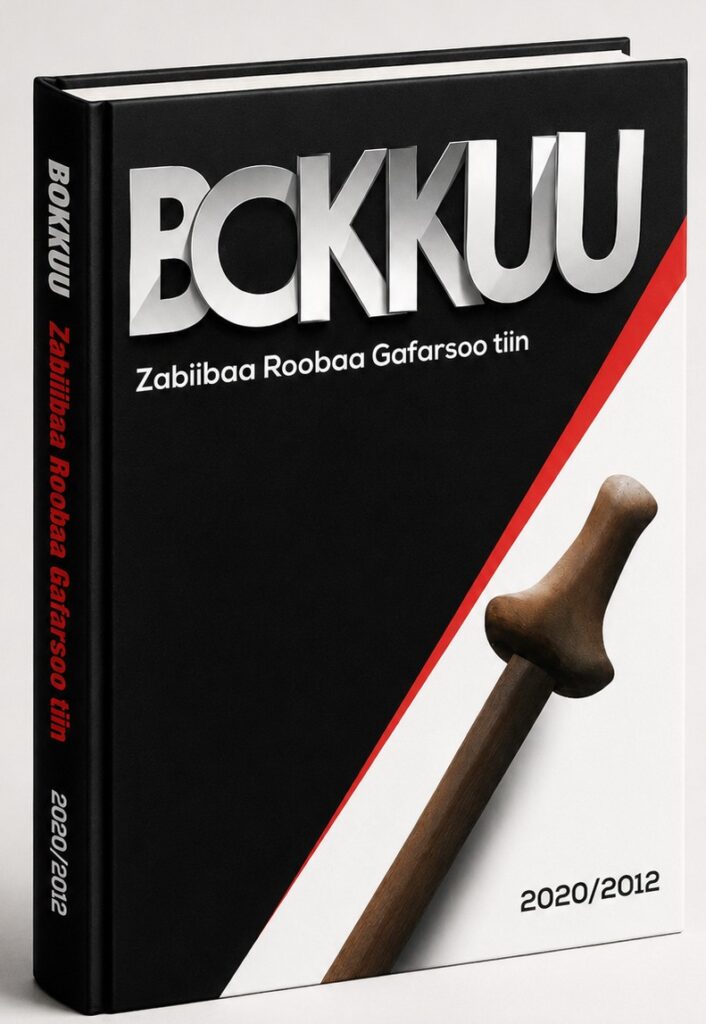
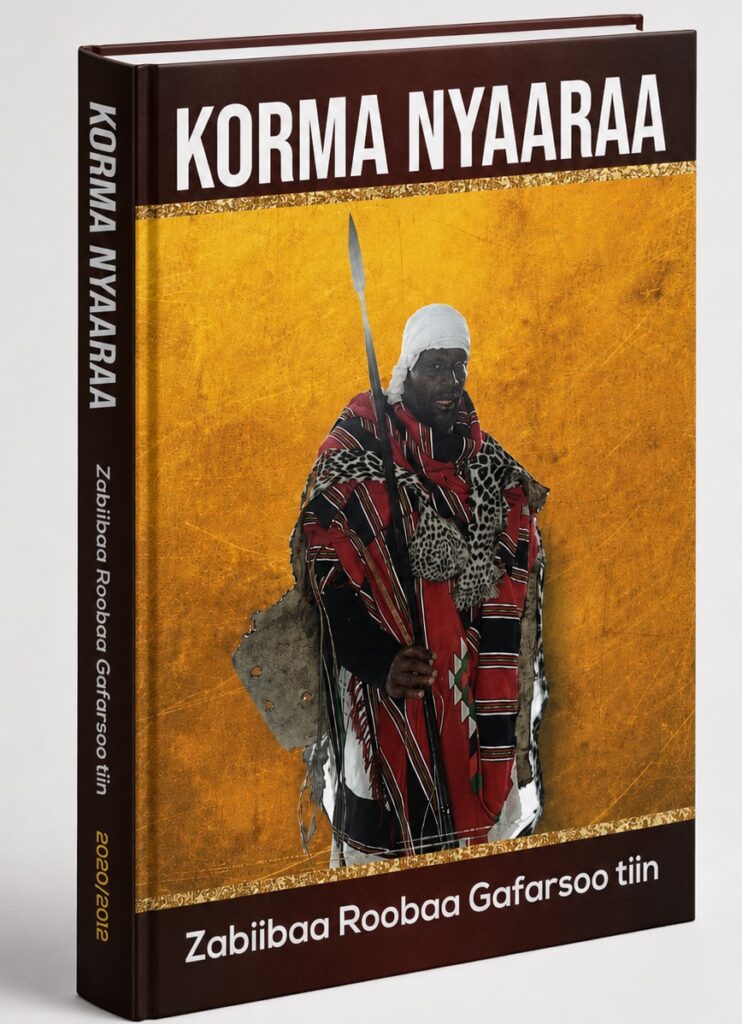
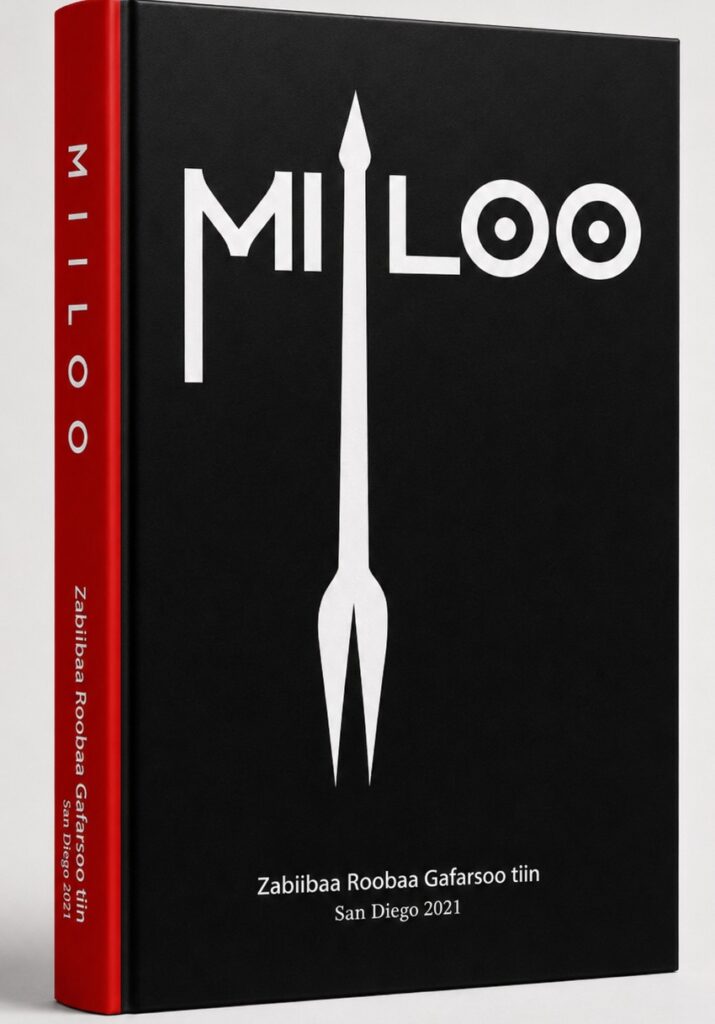
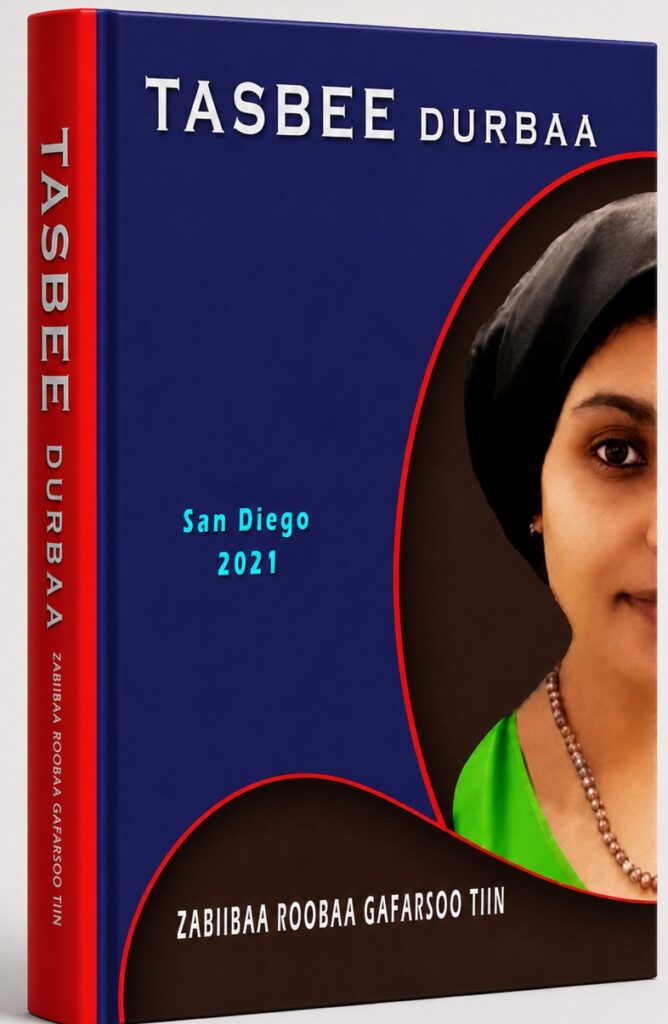
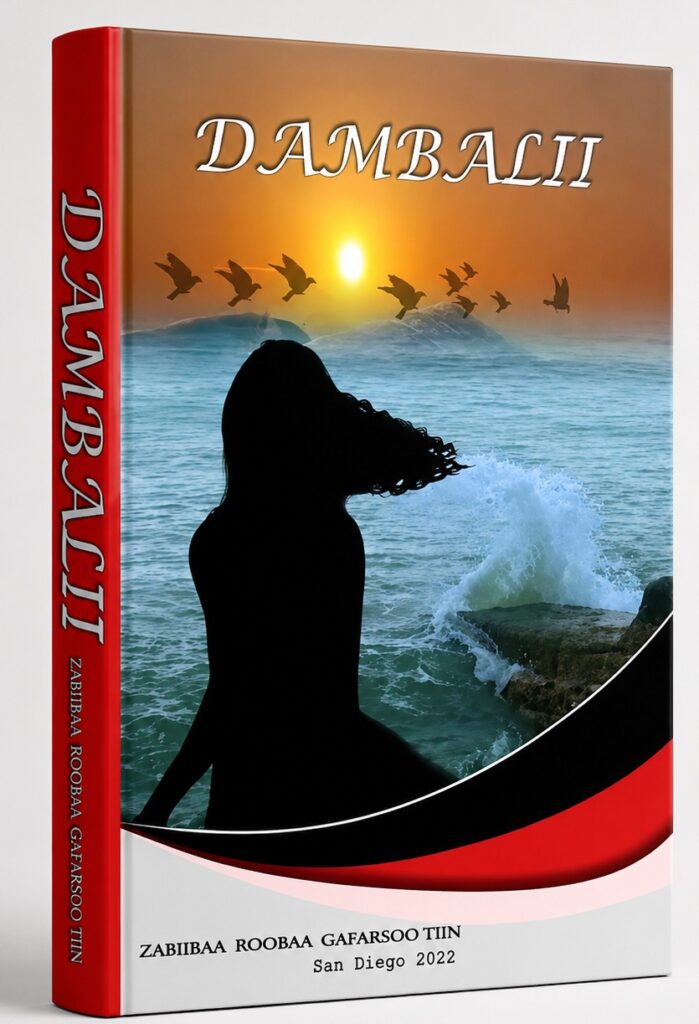
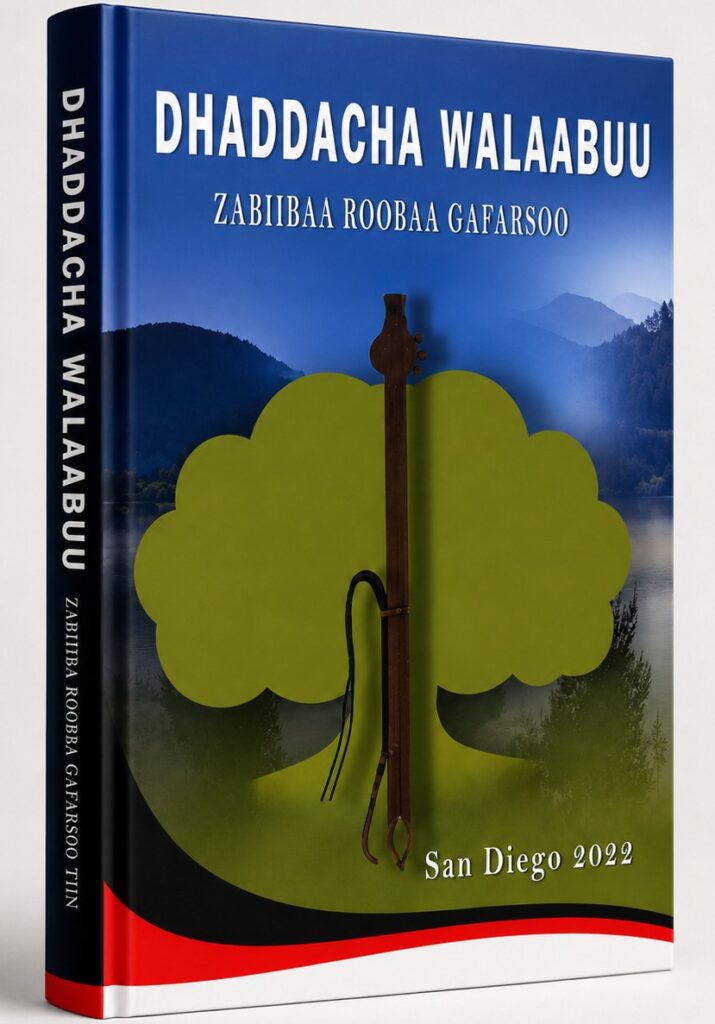
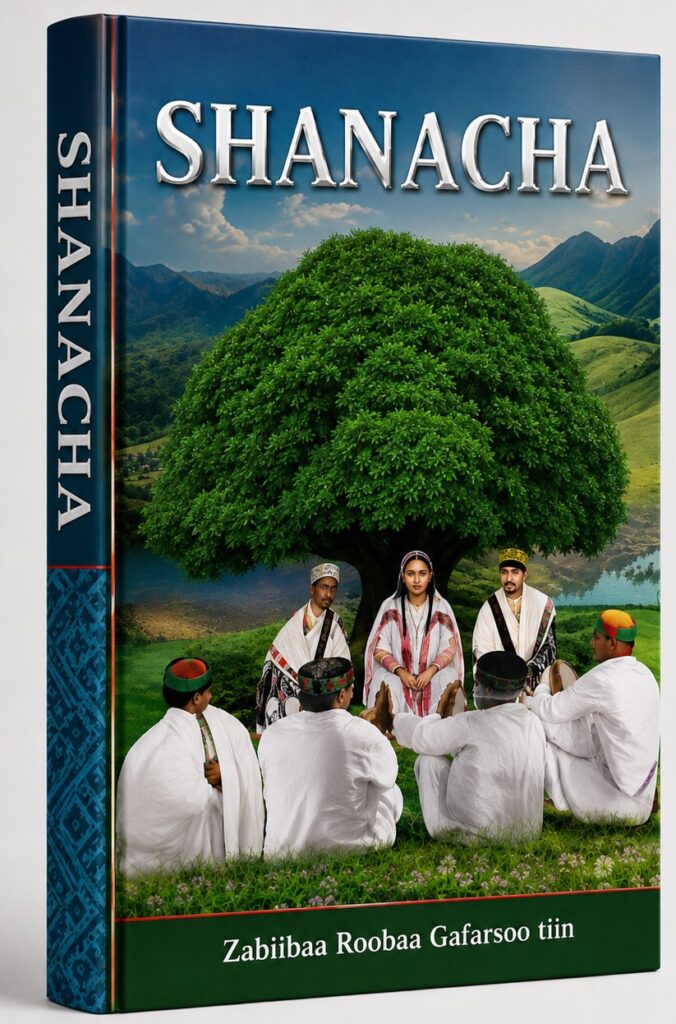
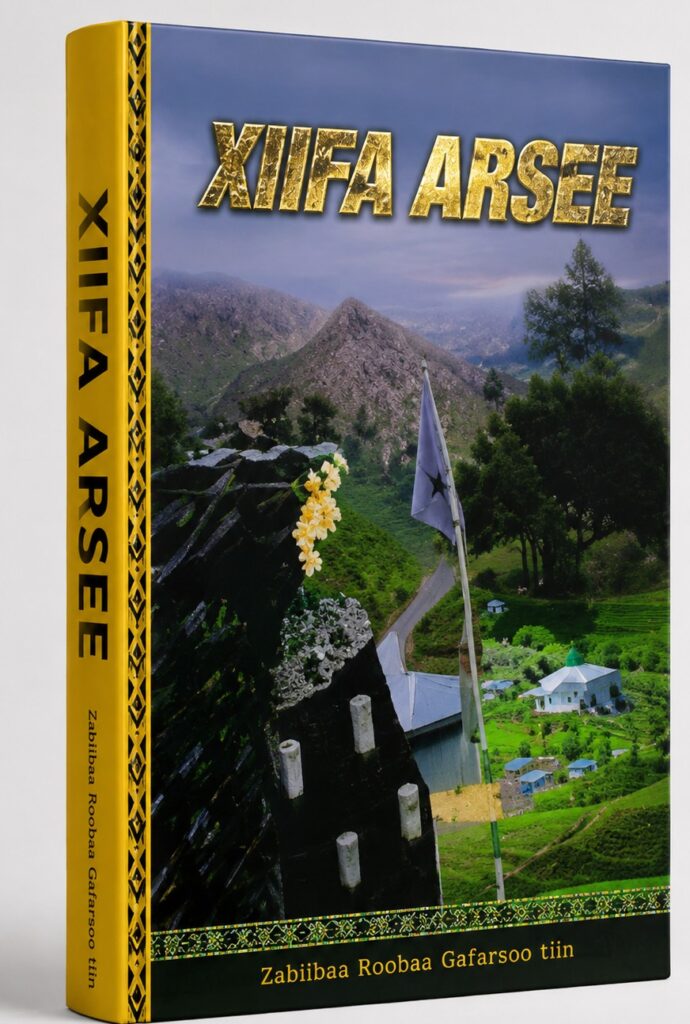
Zabiibaa’s contribution to literature extends beyond her own books. She has edited more than ten works written by other authors, placing her within a wider network of Afaan Oromo literary production.
Editing requires a different skill from authorship. The editor must recognize weaknesses in structure, clarity, grammar, continuity, and style while preserving the original author’s voice and intention.
Among the works she has edited are titles such as Siif Tolii, Dhaloota Sodaa Cabse, Michuu Tiisisaa, Qoraasuma, Mi’aa Buqqee, Iccitii Jireenyaa, and Rogsadee Siyaasa Itoophiyaafi Iccitii Oromiyaa.
Through editing, her literary role becomes collaborative as well as creative: she writes her own books while also helping other writers bring their ideas to readers in a stronger form.
For Zabiibaa, writing in Afaan Oromo is closely connected with identity. Language carries far more than information: it carries historical memory, humour, relationships, oral traditions, cultural values, and ways of understanding society.
Literature gives a language durability. Every novel, historical work, poem, and edited manuscript expands the body of knowledge that can be passed from one generation to the next.
This role becomes especially important across international borders. A person may live, study, and work thousands of kilometres from Oromia while still participating directly in the intellectual life of Afaan Oromo through books and cultural work.
Her journey therefore demonstrates that international education and cultural connection do not need to compete with one another. Global professional experience can coexist with a strong relationship to language, history, and community.
Medicine and literature use very different methods. Medicine depends on evidence, anatomy, physiology, clinical reasoning, investigation, and measurable outcomes. Literature works through narrative, memory, language, character, imagination, and interpretation.
Yet both ultimately deal with people.
A laboratory result can describe biological change. A diagnosis can organize clinical information. A story can describe how illness changes a person’s relationships, fear, identity, hope, family life, and experience of the future.
The combination of medicine and literature therefore creates two different forms of attention: one directed toward the mechanisms of the body and another toward the meaning of human experience.
One of the most ambitious parts of Zabiibaa’s journey is her decision to connect international professional experience with health development in Dodola.
Together with her family, she developed plans for a hospital and health-education institution on a 5.8-hectare site in Dodola. The vision grew from an idea she had carried since her student years: to use professional knowledge in a way that directly serves the community from which she came.
A hospital is more than a physical structure. It brings together physicians, nurses, laboratories, pharmacy services, emergency systems, medical equipment, health information, administration, referral systems, infection prevention, and continuous professional training.
An education component extends that impact further. Training health professionals can multiply the effect of a single institution by creating knowledge and skills that continue to serve people far beyond one building.
Her work in literature, health, and cultural life has attracted recognition within Oromo intellectual and creative circles. Among the recognitions associated with her work is the third Gaaddisaa Award, alongside other honours connected with literary and professional contribution.
Recognition matters most when it draws attention back to the work itself: books written, manuscripts improved through editing, health information shared with the public, professional knowledge developed, and institutions imagined for community service.
Her achievements demonstrate the range of possibilities available when professional education is combined with disciplined creative work and a strong connection to community.
The larger meaning of Zabiibaa Roobaa’s journey lies in the relationship between personal achievement and public responsibility.
Migration can move a person across borders, but knowledge does not have to travel in only one direction. Education obtained abroad can return through books, teaching, health education, mentorship, investment, professional collaboration, and institution-building.
Her story reflects this circulation of knowledge. Dodola gave the journey its beginning. Australia became part of her education. California became part of her professional development. Afaan Oromo remained a language of literary expression. Medicine and psychology became tools for understanding wellbeing. The health project in Dodola connects these experiences back to community service.
For young people, particularly young Oromo women, this journey carries an important message. International education does not require cultural abandonment. Scientific work does not exclude creativity. Professional ambition does not have to end with the individual.
Conclusion
Dr. Zabiibaa Roobaa represents a multidisciplinary generation of African professionals whose lives move between countries, professions, languages, and forms of knowledge without losing connection to cultural identity.
Her journey connects medicine with cardiovascular study, psychology with human wellbeing, literature with cultural memory, editing with the development of other writers, and international professional experience with a health and education vision rooted in Dodola.
The ten books attached to her name demonstrate sustained literary discipline. Her editorial work broadens that contribution beyond her own writing. Her continued relationship with Afaan Oromo keeps language and culture at the centre of an international life.
Most importantly, the direction of the journey does not end with personal advancement. It returns toward service.
Publication Information
| Field | Information |
|---|---|
| Subject | Dr. Zabiibaa Roobaa |
| Article type | Biographical Feature |
| Primary themes | Medicine, psychology, literature, Afaan Oromo, cultural identity, education, and community service |
| Language | English |
| Updated | September 2026 |