Dr. Zabiibaa Roobaa
Medicine
Cardiovascular Medicine
Psychology
Afaan Oromo Literature
Writing & Editing
Community Service
Dr. Zabiibaa Roobaa Gafarsoo was born in Dodola, West Arsi Zone of Oromia, Ethiopia. Her early life established two foundations that would remain visible throughout her career: a strong commitment to education and a deep relationship with Afaan Oromo, history and storytelling.
Her father was a teacher with a strong knowledge of history. Dr. Zabiibaa has described how family conversations, reading and the historical knowledge she encountered while growing up strengthened both her interest in writing and her command of Afaan Oromo.
Her life later expanded across Ethiopia, Australia and the United States. Medicine, psychology, literature and community service developed along that international journey without displacing the cultural and linguistic identity formed in Oromia.
Profile at a Glance
| Profile | Details |
|---|---|
| Full name | Dr. Zabiibaa Roobaa Gafarsoo |
| Birthplace | Dodola, West Arsi Zone, Oromia, Ethiopia |
| Professional fields | Medicine and psychology |
| Advanced medical direction | Cardiovascular-focused medical study and professional development |
| Early technical education | Information Technology diploma in Shashamane |
| Literary record | Ten published books and more than ten edited works |
| Creative work | Book writing, editing, poetry and songs |
| International journey | Ethiopia → Australia → United States |
| Community initiative | Hospital and university project in Dodola on a 5.8-hectare site |
Contents
2. Education Across Continents
3. Medicine & Cardiovascular Study
7. Editing & Literary Contribution
10. Dodola Hospital & University Project
Dr. Zabiibaa was born in Dodola, West Arsi Zone, Oromia. Education, history and Afaan Oromo were important parts of the environment in which she grew up.
Her father was a teacher and a strong source of historical knowledge. She has described how he regularly encouraged reading and shared historical knowledge with her, contributing to her development as both a reader and a writer.
She began writing while she was still in Grade 6. What began as an early interest later developed into a sustained literary discipline that would continue alongside medicine and psychology.
The connection between childhood, family knowledge and language remained visible in her later historical writing. Several of her books grew from histories, memories and experiences rooted in Oromo society.
Dr. Zabiibaa completed her education through Grade 10 in Ethiopia and then studied Information Technology in Shashamane, where she earned a diploma.
She later moved to Australia and completed Grades 11 and 12 there. After completing secondary education, she entered Deakin University and continued her higher education.
After her studies in Australia, she moved to California in the United States and continued both education and professional work in San Diego.
Information Technology diploma
Grades 11–12 and university education
Higher education
Professional work and continued study
Medicine became one of the central professional pillars of Dr. Zabiibaa’s life. She studied Medicine and developed her professional career in health while continuing further medical education.
In her February 2025 interview with BBC Afaan Oromoo, she explained that she was continuing advanced study focused on cardiovascular medicine while working in San Diego.
Cardiovascular medicine is concerned with the heart and circulatory system and includes the prevention, assessment, diagnosis and management of cardiovascular disease.
Her medical journey therefore reflects continuing professional development rather than a fixed endpoint: education, clinical work and deeper study remain interconnected.
Dr. Zabiibaa also studied Psychology and has worked in the field. During her BBC interview, she described psychological counseling as one part of her professional work in San Diego.
Psychology adds a wider dimension to the understanding of health by examining emotion, thought, behavior, relationships, stress and adaptation.
Medicine and psychology remain distinct disciplines, but together they reflect an interest in both the physical and psychological dimensions of human wellbeing.
Writing became part of Dr. Zabiibaa’s life long before the publication of her first book. She has said that she was already writing while she was a Grade 6 student.
Her father’s knowledge of history became particularly important to her historical writing. She has explained that his teaching, reading and historical discussions strengthened both her writing and her Afaan Oromo.
Her fictional works are also closely connected with society. Dr. Zabiibaa has described her writing as emerging from real human experiences, community life and events she has observed rather than from storytelling isolated from everyday reality.
Alongside books, she has also worked with poetry and songs, extending her contribution into other forms of Oromo creative expression.
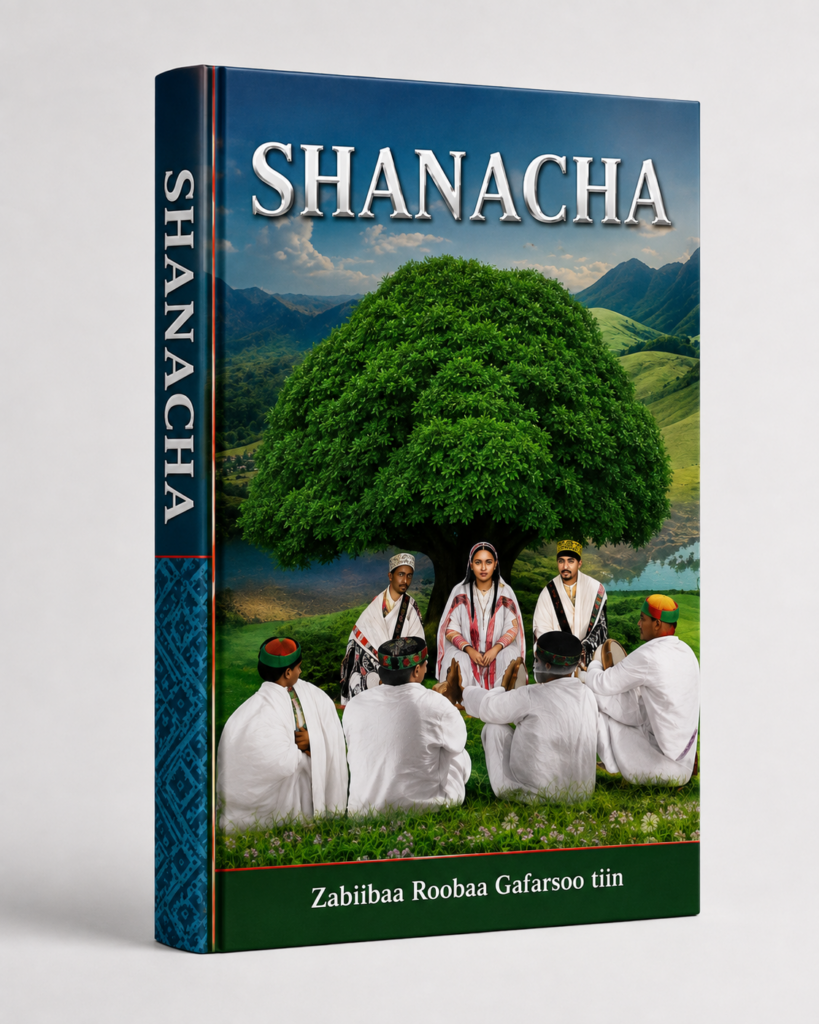
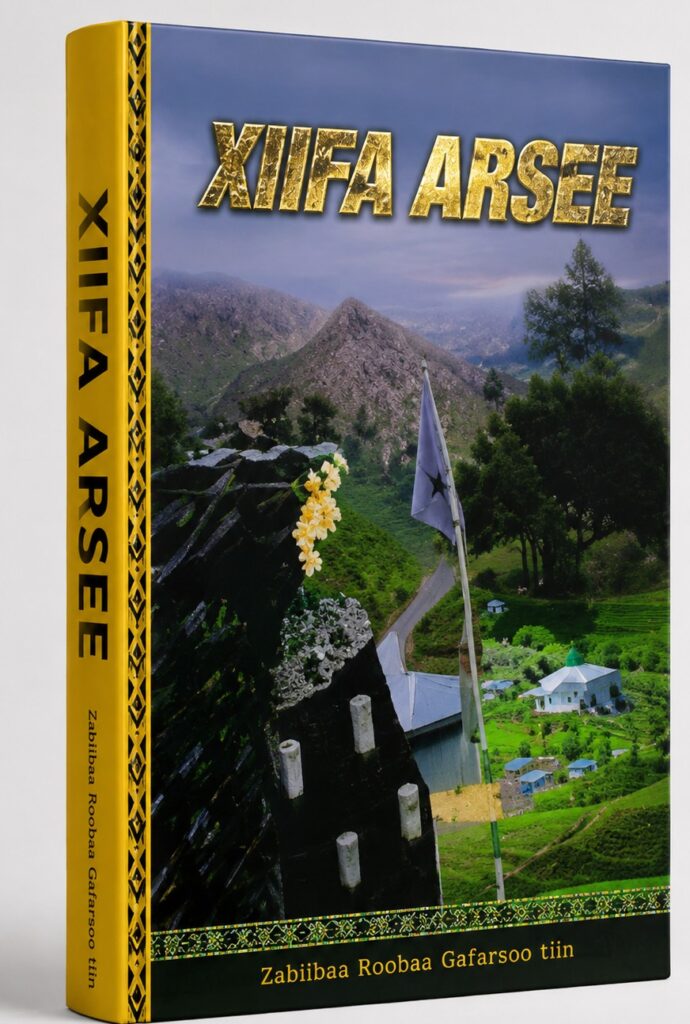
Between 2019 and 2023, Dr. Zabiibaa published ten books covering fiction, history, relationships, cultural memory and health.
Each card below contains a dedicated image area. Replace the placeholder inside a card with the corresponding WordPress Media Library image; the surrounding design remains unchanged.
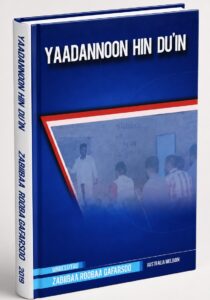
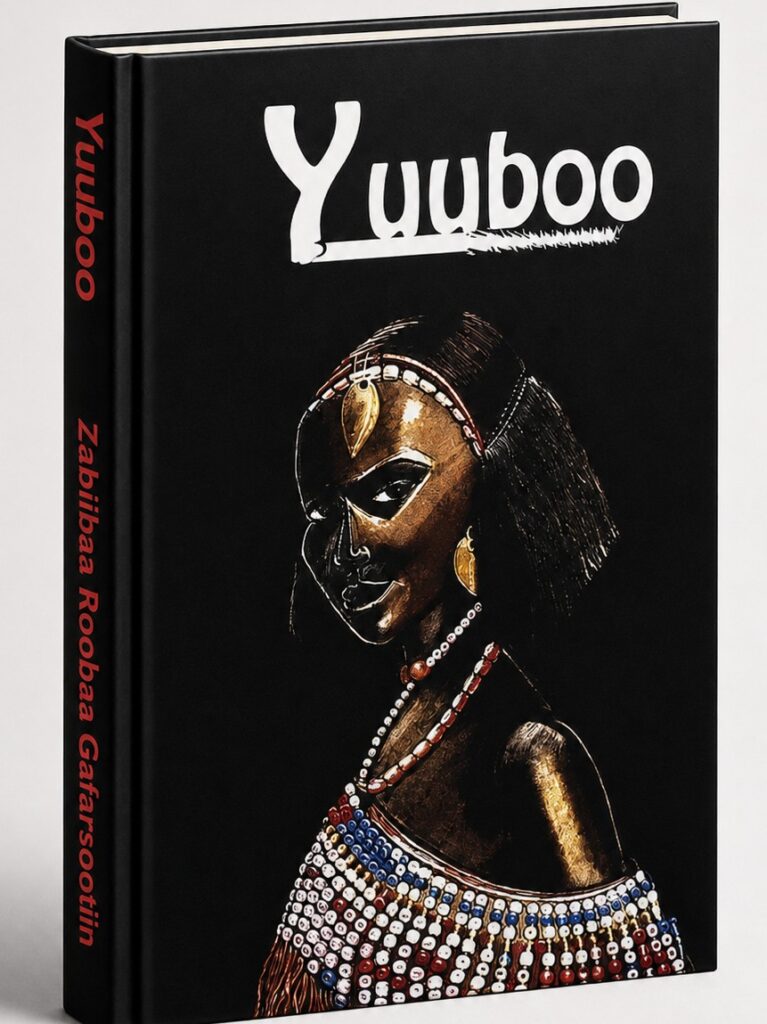
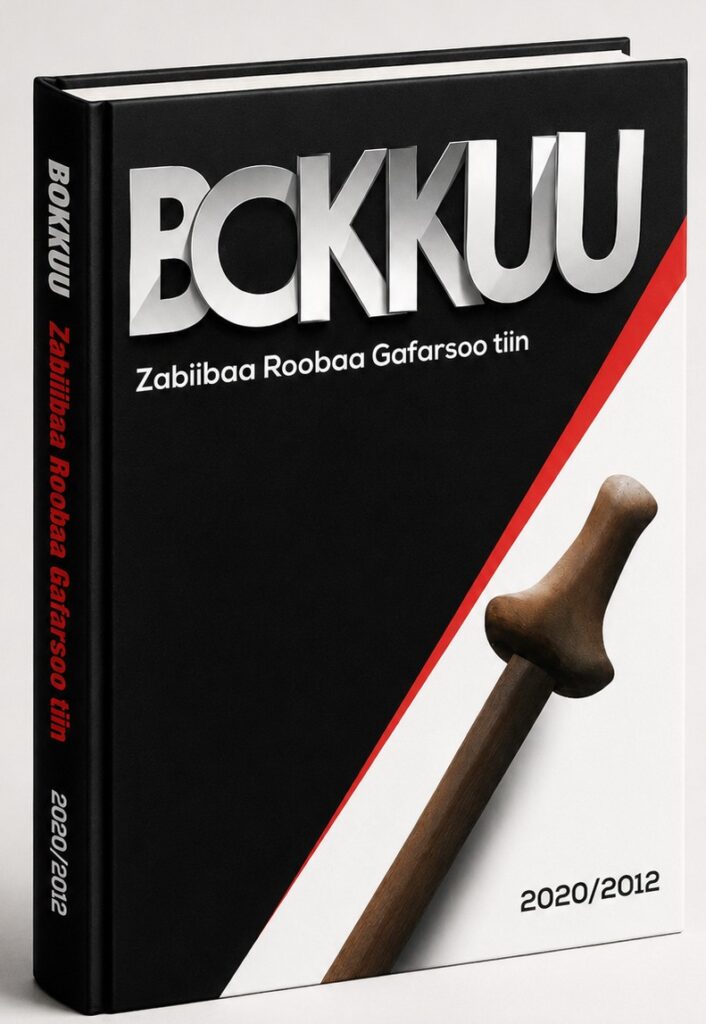
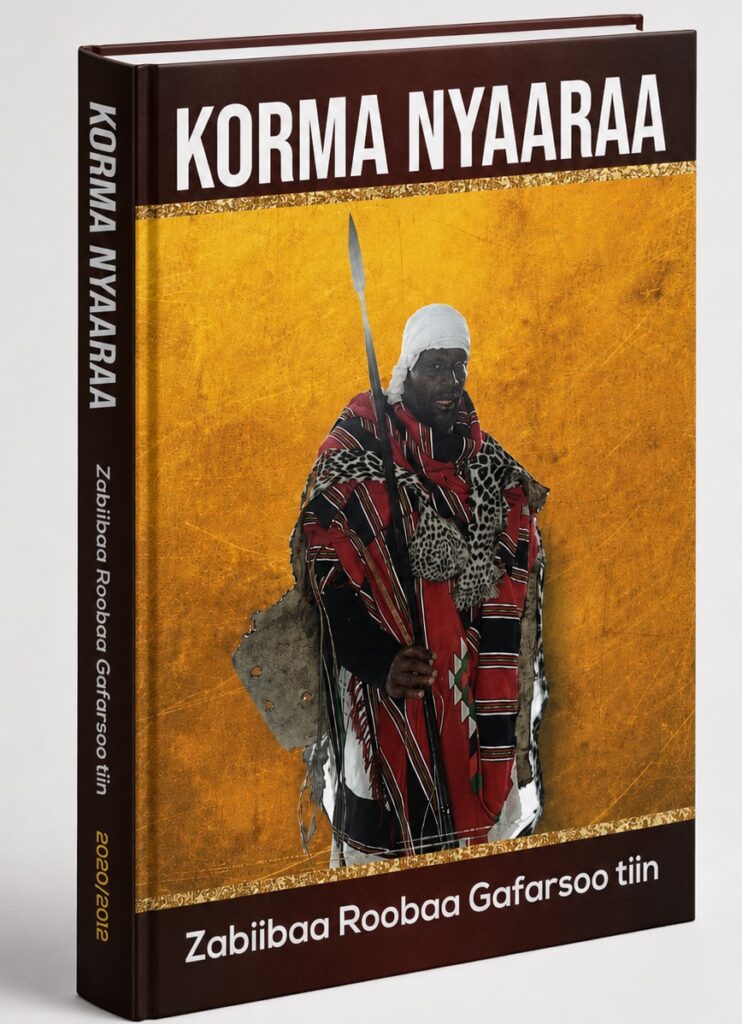
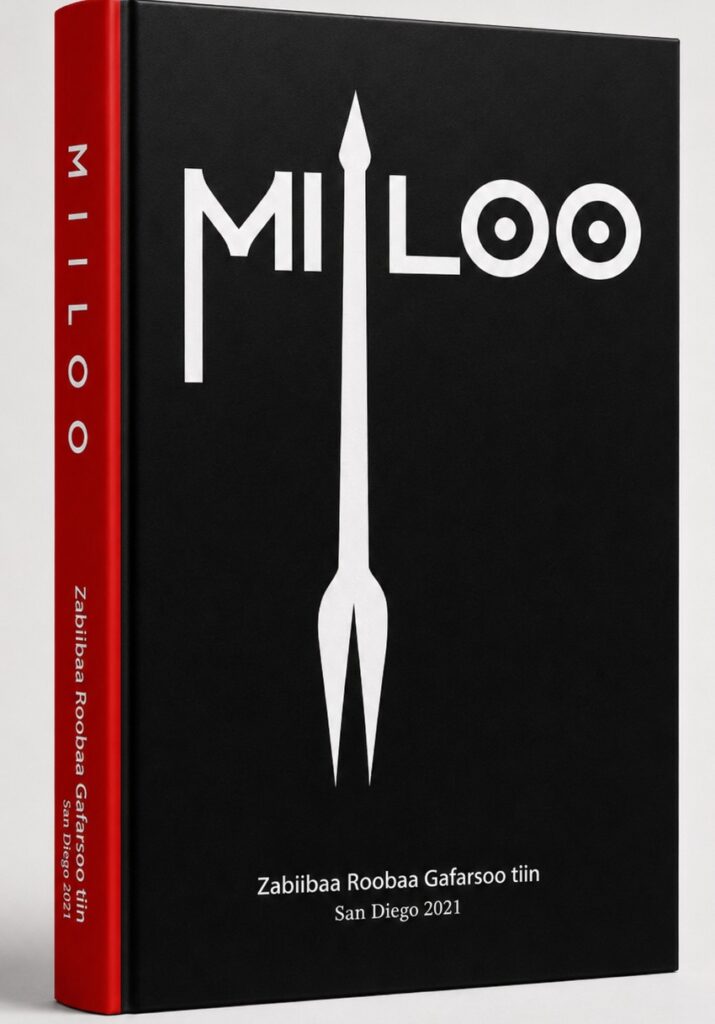
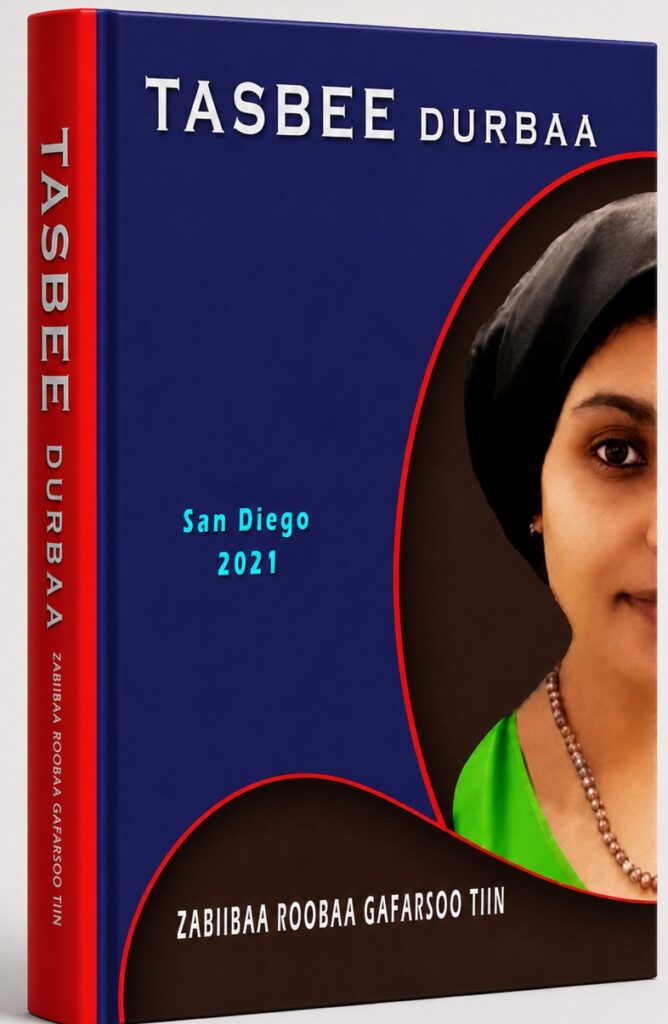
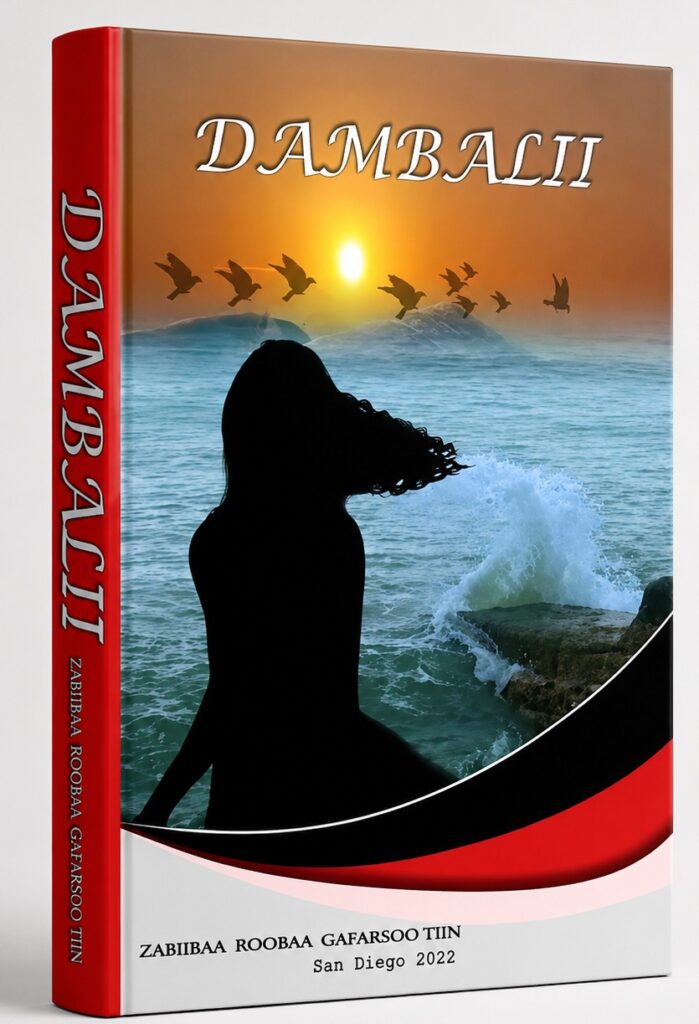
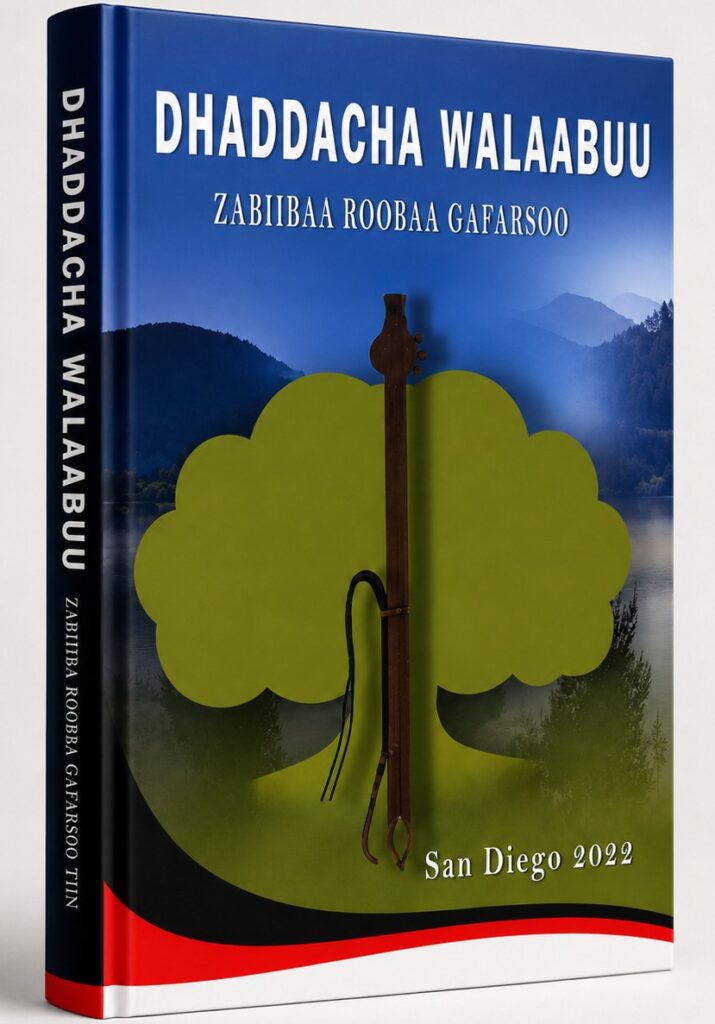
Dr. Zabiibaa’s contribution to literature extends beyond the books published under her own name. Gaazexaa Bariisaa documented that she had edited more than ten books written by other authors.
Editing requires a different discipline from authorship. It involves strengthening language, structure, consistency and clarity while preserving the writer’s own voice.
Through this work, her contribution reaches beyond personal publication into the development of other Afaan Oromo manuscripts and writers.
Medicine and literature work through different methods, yet both deal with human life.
Medicine examines health and disease through scientific evidence, diagnosis and treatment. Psychology examines emotion, thought and behavior. Literature explores memory, relationships, identity, history and lived experience.
Dr. Zabiibaa’s work brings these fields together most visibly in Dambalii, a book she described as presenting heart-health themes through fiction.
Dr. Zabiibaa’s work in literature and health has received public recognition in Oromia.
In her 2025 BBC interview, she stated that she had received three awards and recognitions after returning to Oromia, including recognition during the third Gaaddisaa Award and recognition associated with Oro Book.
One of the strongest links between Dr. Zabiibaa’s international professional journey and her birthplace is the health-and-education project she developed for Dodola.
She has explained that the idea of establishing a hospital began while she was still a student. In 2023, land was secured in Dodola and the project moved toward implementation with the participation of her family.
The plan extends beyond a hospital alone. Dr. Zabiibaa described a combined hospital and university project on a 5.8-hectare site.
In 2025, she said the family had set a five-year target for completing the project and described support from the Oromia regional government, Dodola administration, West Arsi Zone administration and the regional land bureau.
The project gives practical form to one of the recurring ideas in her public life: education and professional experience gain wider value when they are converted into service.
Dr. Zabiibaa’s international educational journey did not separate her from Afaan Oromo. Instead, the language became one of the strongest continuities across the different stages of her life.
Through historical writing, fiction and editing, she has used Afaan Oromo to record experiences, stories and ideas connected with Oromo society.
Language carries more than vocabulary. It carries memory, history, cultural concepts, social experience and ways of interpreting the world. Writing in Afaan Oromo therefore becomes both literary work and participation in the continuing intellectual life of the language.
The combination of medical education, psychology, professional work, writing and community projects requires disciplined management of time.
Dr. Zabiibaa has described her writing as a scheduled practice. Her personal target has been to write five pages a day.
The importance of that method lies in its consistency. A manuscript that appears large as a whole becomes manageable when the work is divided into regular daily progress.
Dr. Zabiibaa’s message to Oromo girls and young women centers on confidence, education and a strong sense of self.
In her BBC interview, she encouraged Oromo women to strengthen self-confidence and remain true to themselves, emphasizing that being a woman does not prevent a person from reaching ambitious goals.
Her own journey places that message within a practical example: participation in medicine, psychology, writing, editing and community development while maintaining a strong connection with language and cultural identity.
Dr. Zabiibaa’s biography can be read as more than a sequence of academic and professional achievements.
Her education carried her from Ethiopia to Australia and the United States. Her literary work kept Afaan Oromo, history and community experience within the center of her intellectual life. Her editorial work strengthened the work of other writers. Her health career developed through medicine and psychology. Her Dodola project directs professional ambition back toward the community from which her journey began.
These elements create a larger pattern: knowledge is acquired, developed, expressed and then directed toward service.
Conclusion
Dr. Zabiibaa Roobaa’s biography is a story of movement without disconnection.
It begins in Dodola, continues through education in Ethiopia and Australia, expands through professional life in the United States, and repeatedly returns to Afaan Oromo, literature, history and service.
Medicine gave her a scientific and clinical direction. Psychology added another dimension of human wellbeing. Literature created a space to record memory, interpret society and strengthen Afaan Oromo. Editing extended her contribution to the work of other writers.
The hospital-and-university initiative in Dodola gives those years of education and professional development a direct community dimension.
Her journey demonstrates that science and literature do not have to exist in separate lives, that international education does not require cultural disconnection, and that professional success can develop alongside responsibility to community.
This biography is grounded principally in extended profiles documenting Dr. Zabiibaa Roobaa’s own account of her childhood, education, professional development, books, writing practice, community work and future plans.
Publication Information
| Field | Information |
|---|---|
| Article type | Biographical Feature |
| Subject | Dr. Zabiibaa Roobaa Gafarsoo |
| Primary themes | Medicine, psychology, literature, Afaan Oromo, education, cultural identity and community service |
| Language | English |
| Editorial update | September 2026 Dr Huzayifa Mohamedawwol shifaa |